01
Customer PDF / Drawing
Receive. Interpret. Extract. Prepare.
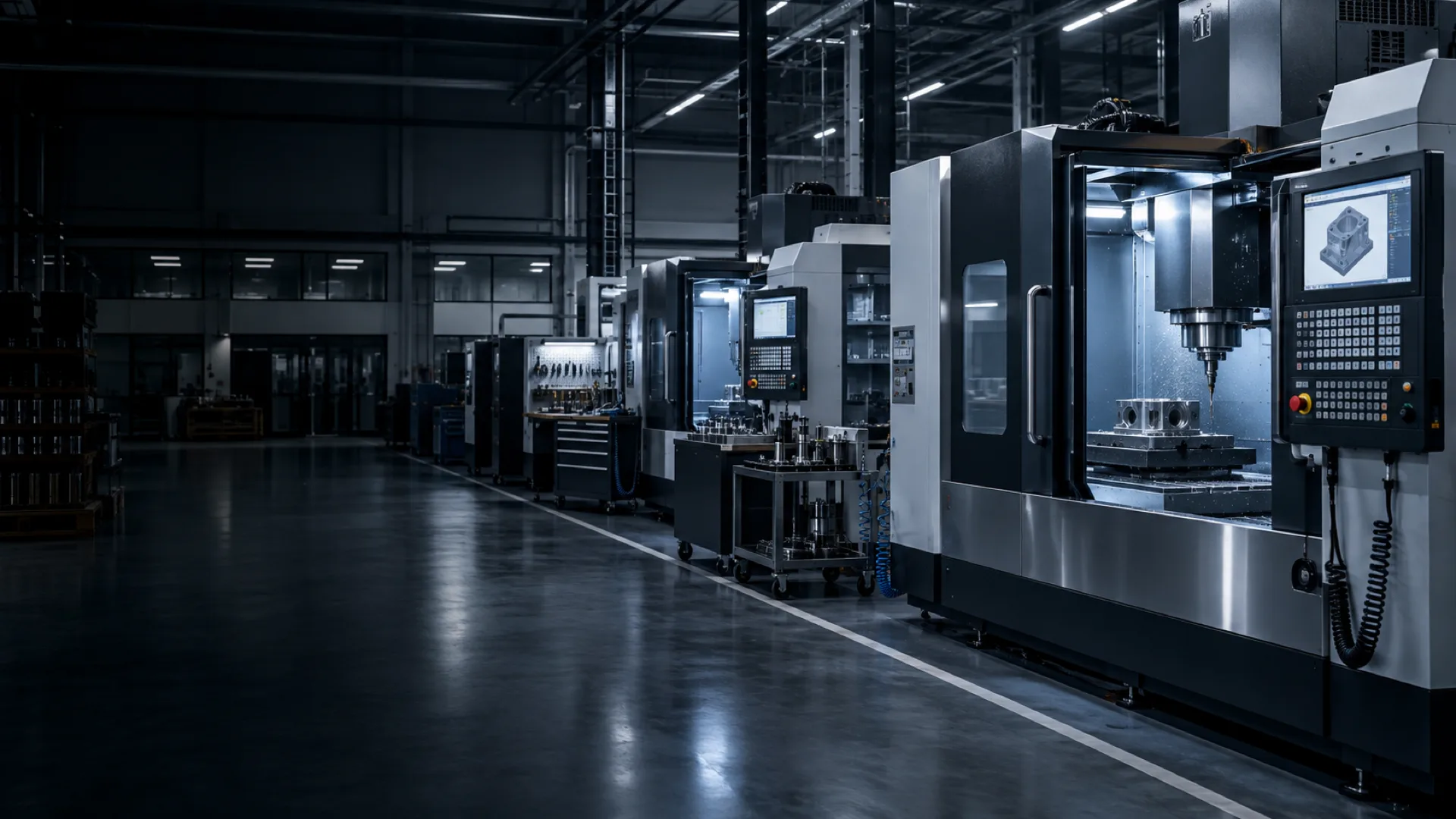
AI Intelligence / Manufacturing
From PDF to Program to Production.
Private AI and automation for manufacturing.
Turn drawings, specifications and operating knowledge into controlled manufacturing workflows—designed around the systems, people and information requirements already on your floor.
Manufacturing intelligence in context
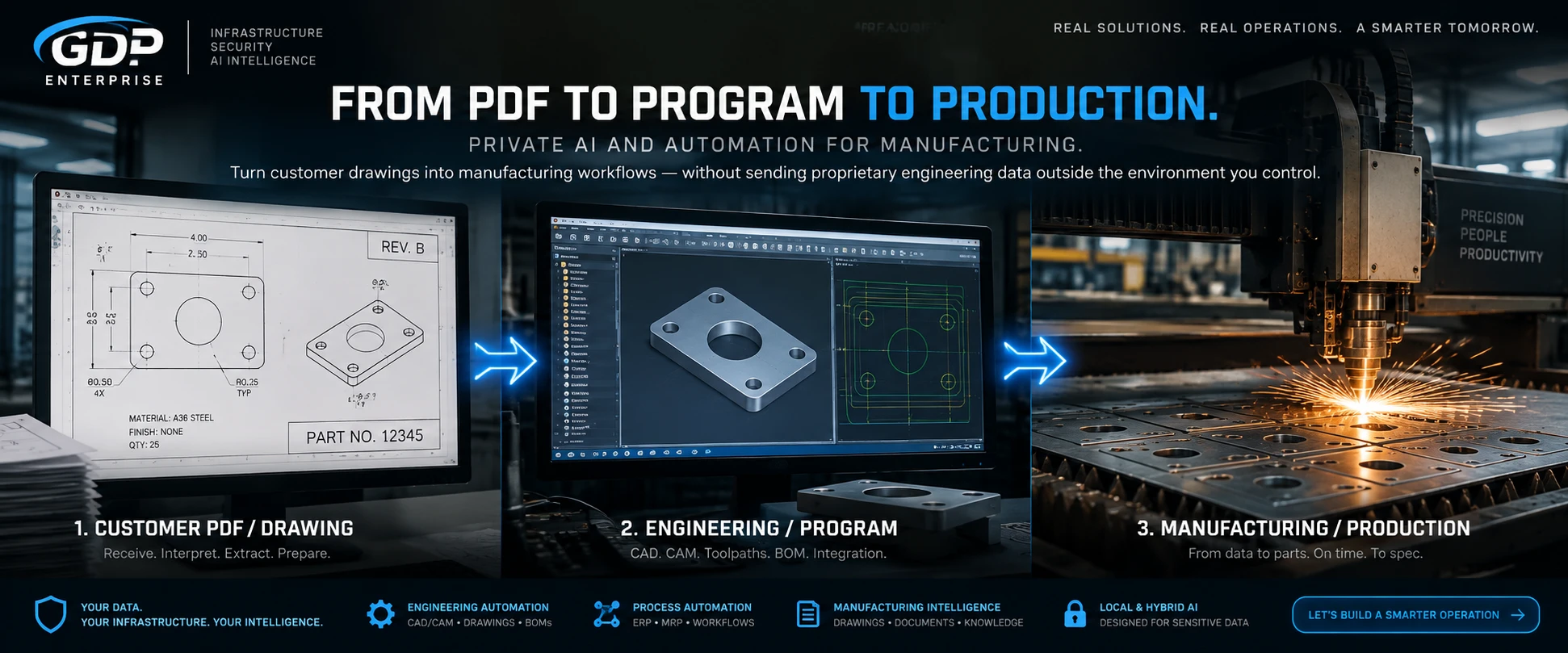
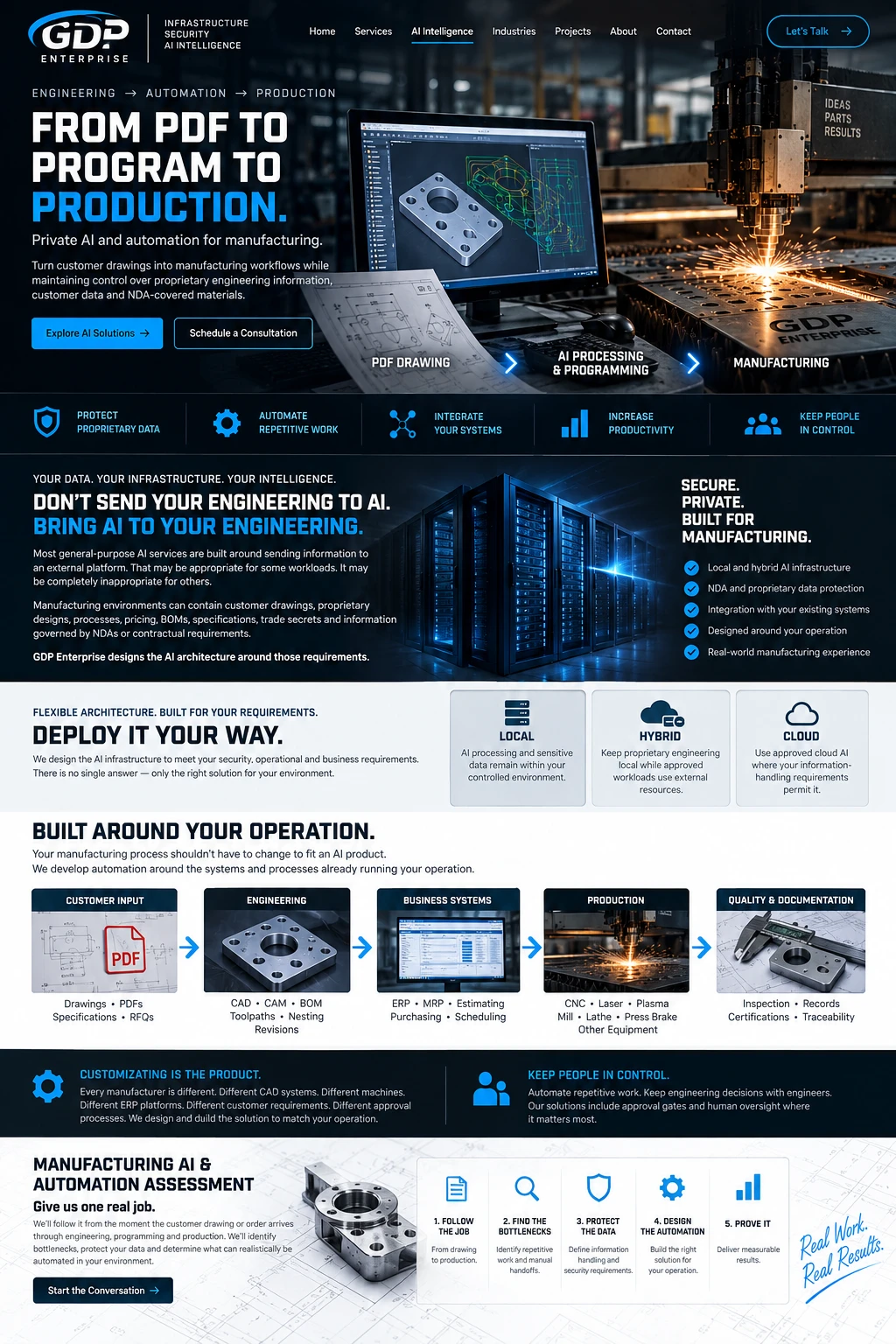
Drawing → Engineering → Production
GDP Enterprise identifies the repetitive interpretation, entry, search and transfer work between these stages—then automates what makes sense without removing the approvals that require engineering judgment.
Receive. Interpret. Extract. Prepare.
CAD. CAM. Toolpaths. BOM. Integration.
From data to parts. On time. To spec.
Your data.Your infrastructure. Your intelligence.
Engineering automationCAD/CAM · Drawings · BOMs
Process automationERP · MRP · Workflows
Manufacturing intelligenceDrawings · Documents · Knowledge
Local & hybrid AIDesigned for sensitive data
A different starting point
General-purpose AI often begins by sending information to an external platform. Manufacturing demands a more deliberate decision: what the system may access, where information may be processed, who may use it, and where approval must remain with your team.
Air-gapped from the world
For workloads requiring complete network separation, the AI environment can operate inside a manufacturing enclave with no direct connection to the internet, cloud services, the corporate network or other internal networks.
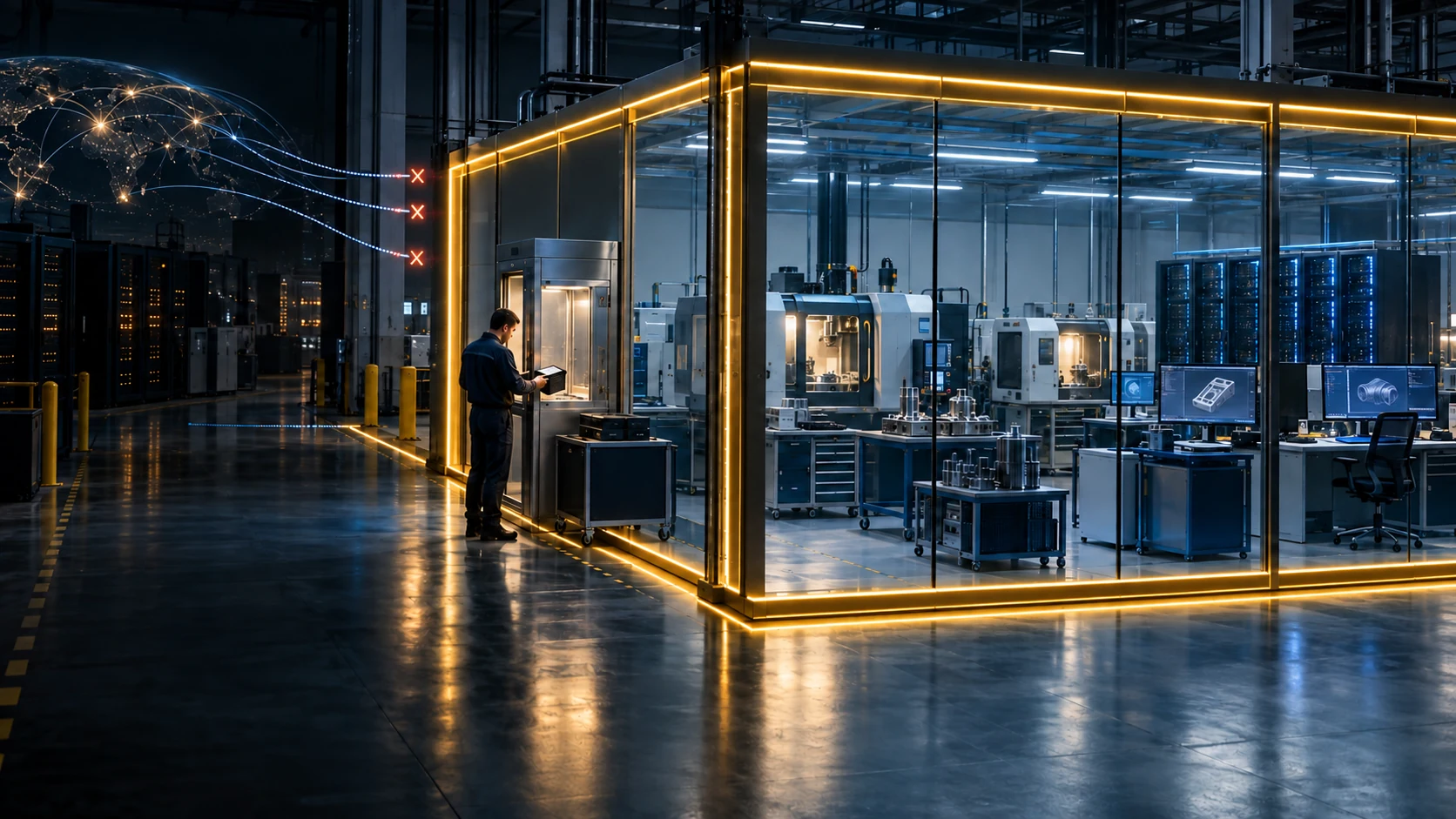
Controlled customer intake
A dedicated intake machine can receive customer job documents through a restricted email workflow without providing general browsing or a direct route into the protected manufacturing environment.
AI-assisted parsing can extract information from PDFs and supported CAD files, organize the job package, flag missing information and route exceptions for review.
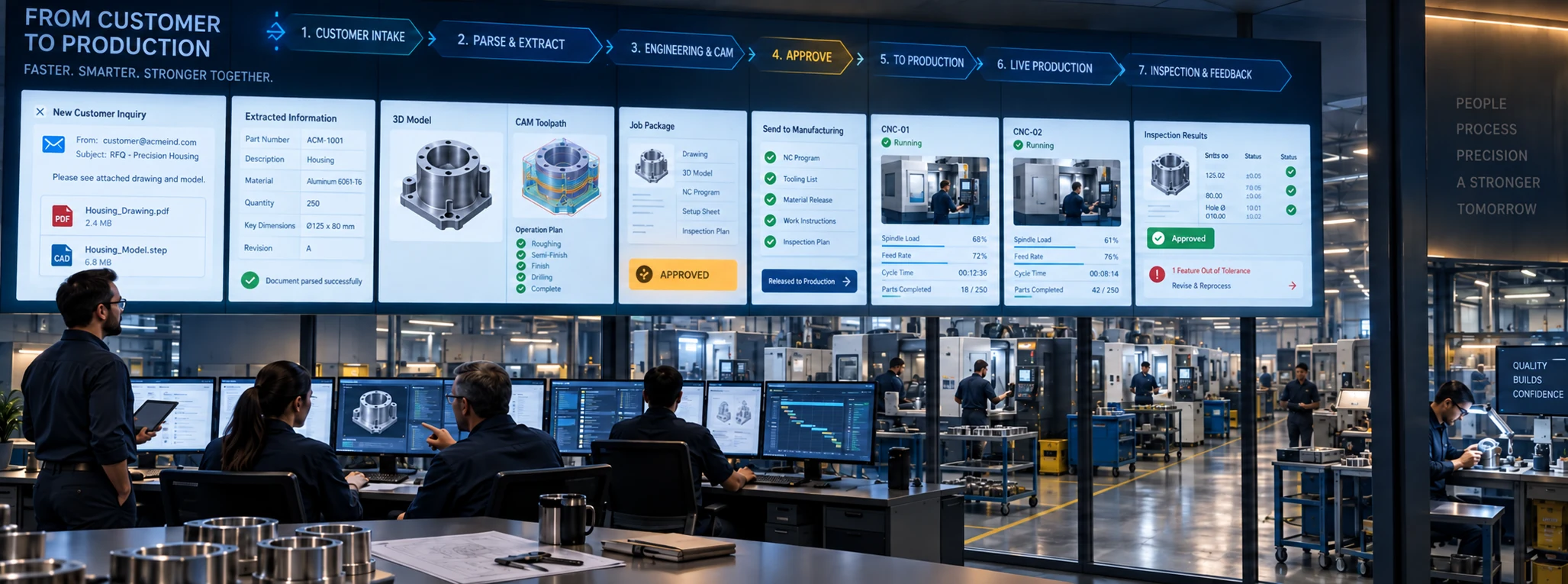
Customer email and attachments enter a dedicated intake mailbox and quarantine zone.
PDF · DWG · DXF · approved formatsExtract drawing data, revision details, quantities, materials and production requirements.
AI-assisted document and CAD interpretationApply customer, contract and information-handling rules; flag uncertainty and NDA-sensitive work.
Rules + human review—not AI judgment aloneAuthorized people release a validated production package through the governed transfer process.
No unrestricted network path to the enclaveClassification is controlled, not assumed. AI may assist with recognition and routing, but contractual status, access permissions and release decisions remain governed by documented rules and accountable people.
The approved job becomes real work
Once engineering releases the job, the same controlled thread can compare required material with available inventory, prepare exceptions and coordinate the next physical move—without taking purchasing or production authority away from people.
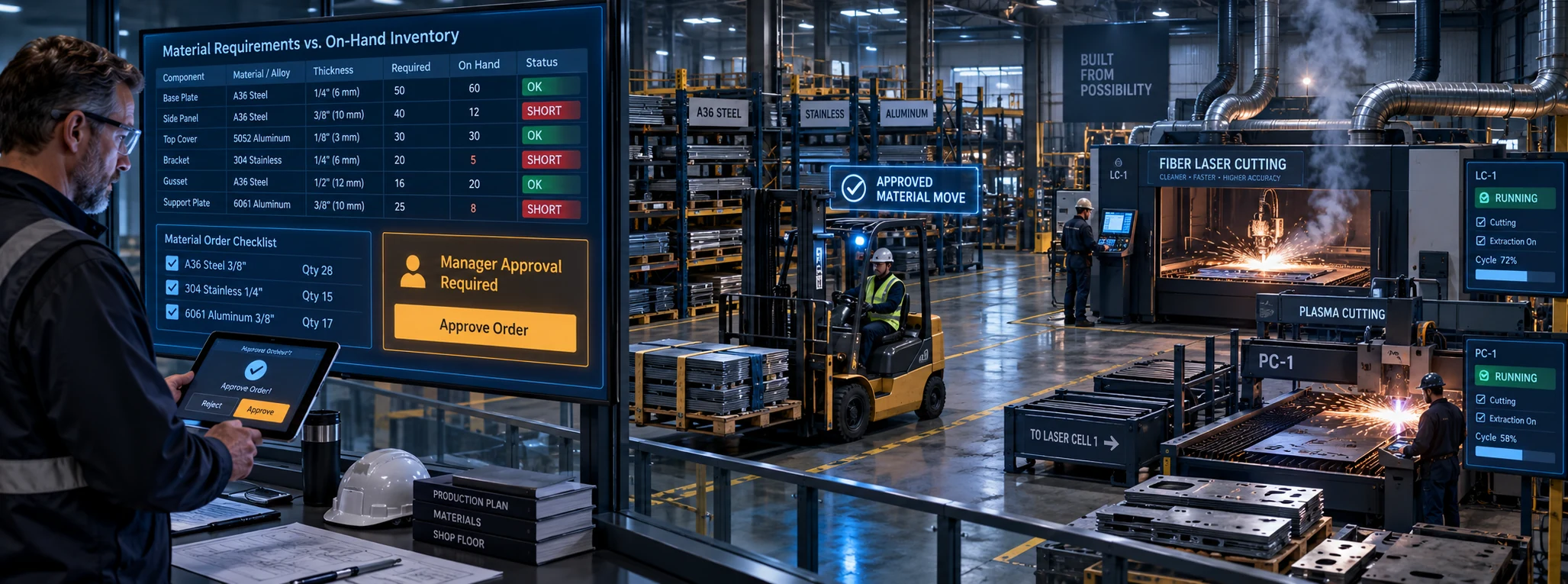
The approved component program defines alloy, thickness, quantity and timing.
Available stock is matched to the job; shortages and substitutions become visible exceptions.
The system prepares the checklist. The manager approves, rejects or revises the material order.
The forklift driver receives an authorized move with the stock, destination and production priority.
Attendants supervise laser, plasma and CNC operations while status and exceptions remain visible.
Production and inspection results return to the job record for traceability and improvement.
No direct path to public AI, the internet, cloud services or unrelated internal networks.
Approved information moves through a separately governed inspection and transfer process.
Designated people review, approve and account for information entering or leaving the enclave.

Architecture is only one part of protection. Air-gapping supports contractual and information-handling requirements, but does not independently guarantee NDA, regulatory or security compliance. Procedures, physical security, identity controls, approved transfer methods, monitoring and human accountability remain essential.
Your data. Your infrastructure. Your intelligence.
The right design may be local, private, hybrid or cloud-connected. The deciding factors are the job, the data, the contract and the operating environment.
Models, retrieval systems and protected manufacturing information can remain on infrastructure controlled by the manufacturer when requirements call for it.
Identity, permissions, segmentation, logging and data boundaries are designed around the people and systems authorized for the workflow.
Local and external services can be combined intentionally, with defined rules for which workloads and information may cross each boundary.
Cloud capabilities can support approved workloads where security, contract terms, performance and information-handling requirements permit.
Important: Local infrastructure does not by itself guarantee NDA, contractual or regulatory compliance. GDP Enterprise designs the architecture around documented information-handling requirements and works with the manufacturer’s legal, security and operational stakeholders to define appropriate controls.
Built around the plant
The automation should fit the way your company engineers and produces work—not force the plant into a generic AI product.
Different CAD systems. Different machines. Different ERP platforms. Different customer requirements, approval processes and security obligations. GDP Enterprise develops the automation around the actual manufacturing environment.
The right solution may combine conventional programming, APIs, scripting, AI models, private document retrieval, vision, databases and workflow integration. AI is one component—not something forced into every step.
Applied manufacturing intelligence
Practical systems that connect engineering knowledge to repeatable execution.
Extract drawing data, identify features and tolerances, assist with design rules, standardize repetitive engineering work and prepare information for downstream systems.
Connect quoting, routing, documentation, approvals, programming and production handoffs so critical work moves with less re-entry and fewer blind spots.
Bring operational data and shop knowledge together to surface constraints, compare outcomes, explain variance and support better production decisions.
Place review gates where judgment matters. People validate outputs, resolve exceptions and retain authority to revise, reject or release work.
Automation with accountability
Read, compare, calculate, propose and prepare.
Review, correct, approve, release and improve.
Preserve approved outputs, context and traceability.
Manufacturing AI & Automation Assessment
We follow how work actually moves, identify where intelligence can help and define a controlled first proof—before proposing a broad transformation.
Trace a real order from customer input through engineering and production.
Locate delay, re-entry, tribal knowledge, errors and fragile handoffs.
Classify information and define access, processing and retention boundaries.
Fit the workflow to your systems, controls, people and production needs.
Test a focused use case with measurable outcomes and human review.
Show us the repetitive work that’s costing you time.
The solution we deliver turns it into a controlled, secure and repeatable manufacturing workflow—with faster handoffs, protected information, measurable production improvement and people still in control.